Armpit odor can come back after a shower because soap may fix only one part of the problem. Odor can come from sweat, skin bacteria, clothing, product buildup, irritation, and sometimes a skin condition.
Before adding another strong product, notice the pattern. Does the smell return on clean skin, only after a shirt goes on, after heavy sweating, or with redness, pain, drainage, or recurring bumps?
Why Odor Can Return
Sweat itself is not the whole story. Body odor can happen when sweat meets bacteria on skin. Bromhidrosis is body odor linked to bacterial or yeast action on sweat and skin debris. Some underarm odor chemicals, including thioalcohols, can be made by certain staphylococci.
That helps explain why antibacterial or antiseptic ingredients show up in odor conversations. It does not mean every odor problem is an infection, or that one stronger wash is the answer.
Your armpit is not just skin. It is also a warm fold, a sweat area, a hair area for many people, a deodorant area, and a fabric-contact area. Apocrine gland secretions can become smelly after microbes break them down. Eccrine sweat is mostly water, but it can keep skin, hair, residue, and fabric damp enough for odor to return quickly.
That is why a shower can miss the real pattern. A shirt can hold odor. A fragrance can irritate skin. A strong wash can leave skin sore. Heavy sweating can overwhelm odor control. Draining bumps or recurrent boils are a different problem.
Hyperhidrosis belongs in the wetness lane. MedlinePlus describes it as excessive, unpredictable sweating that can affect the underarms. If sweat is the main problem, or if sweating is new, unexplained, mostly at night, or paired with fever, weight loss, chest symptoms, shortness of breath, or a pounding heartbeat, that is not a deodorant failure. It is a health question to bring to a clinician.
Compare Products By Job
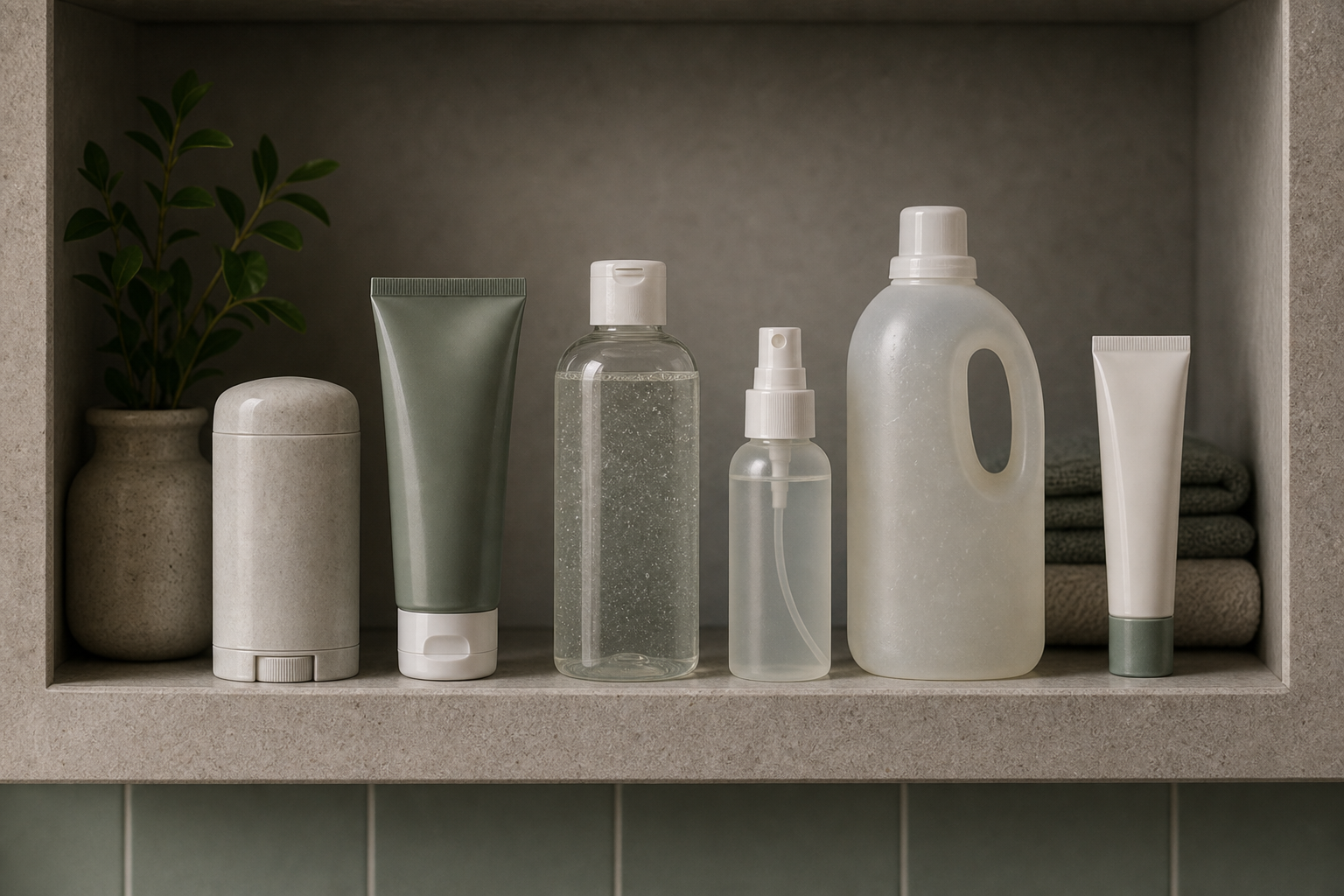
A lot of product names get mixed together online. Compare them by job:
Underarm Product Jobs
| What it is for | What to check | |
|---|---|---|
| Deodorant AAD; product label | Odor control through fragrance, absorbents, acids, or antimicrobial ingredients. | Which ingredient is doing the job, and is it bothering your skin? |
| Antiperspirant AAD; FDA | Wetness control when the label lists an antiperspirant active, often an aluminum compound. | Is wetness the main problem, or is the concern mainly smell after sweating? |
| Rinse-off cleanser Product label | Cleans skin, sweat, residue, and some odor material during a shower. | Is it labeled for underarms or body skin, how is it rinsed, and what warnings apply? |
| Antimicrobial wash Product label | May target the microbial side of odor under specific label conditions. | Body site, contact time, rinse-off directions, irritation warnings, and whether a clinician or pharmacist suggested it. |
| Octenidine-containing product Product label needed | May be sold as a deodorant, wash lotion, antiseptic, wound product, or another finished product. | Product type, active ingredients, body site, country, directions, and warnings. |
| Laundry product Product label | Targets odor held in clothing. | Does the shirt smell clean before it touches skin again? |
Before Adding Another Product
Before adding another product, write down what is actually happening:
- Does the odor return on clean skin, after a clean shirt, or both?
- Is wetness the main problem, or is the skin fairly dry but still smelly?
- Does sweating feel excessive, unpredictable, mostly one body site, mostly at night, or newly different?
- Did a product start causing redness, burning, peeling, itching, or darkening?
- Did shaving, waxing, friction, a new detergent, a new deodorant, or a new medication change the pattern?
- Are there painful bumps, drainage, fever, open areas, or recurring boils?
- Is the product leave-on or rinse-off?
- Does the label name the underarm, body, wound, mouth, or another body site?
If octenidine appears on an ingredient line, the label still matters more than the ingredient name by itself. Check whether the finished product is a deodorant, wash lotion, antiseptic product, wound product, or something else, and whether it names the body site you are thinking about.
Common Questions
Common questions
Why do my armpits smell right after showering?
Skin bacteria, sweat, fabric odor, product residue, irritation, or a skin condition can overlap. Start by separating clean skin from clean clothing and noticing symptoms.
Should I use antibacterial wash for armpit odor?
Ask with the exact product label. Antibacterial or antiseptic washes differ by active ingredient, body site, rinse-off directions, irritation warnings, and reason for use.
Can octenidine help with odor?
It may matter in a suitable finished product because bacteria can play a role in odor. The product type, formula, body site, directions, and warnings decide what the label can support.
Is deodorant the same as antiperspirant?
No. Deodorant targets odor. Antiperspirant targets sweating when it lists an antiperspirant active.
What if I sweat a lot but the smell is the bigger issue?
Separate the clues before choosing a product. Heavy sweating, fabric dampness, and odor can overlap, but hyperhidrosis is a sweat question and odor is a smell question.
When should I stop trying products and ask a clinician?
Ask when odor comes with pain, rash, drainage, open skin, fever, repeated boils, sudden major change, diabetes, immune compromise, or a known skin condition.
Related Reading
For the octenidine-specific odor question, read Can octenidine help with body odor?. For product-name help, see Octenidine product names and label types.
Sources And Review
Last reviewed on 2026-05-28. Sources include MedlinePlus sweat and hyperhidrosis pages, American Academy of Dermatology deodorant guidance, MSD Manual information on bromhidrosis, a Scientific Reports paper on thioalcohol production in body odor, FDA product-category information, and U.S. Poison Help guidance. Editorial review is source review, not a personal medical review.