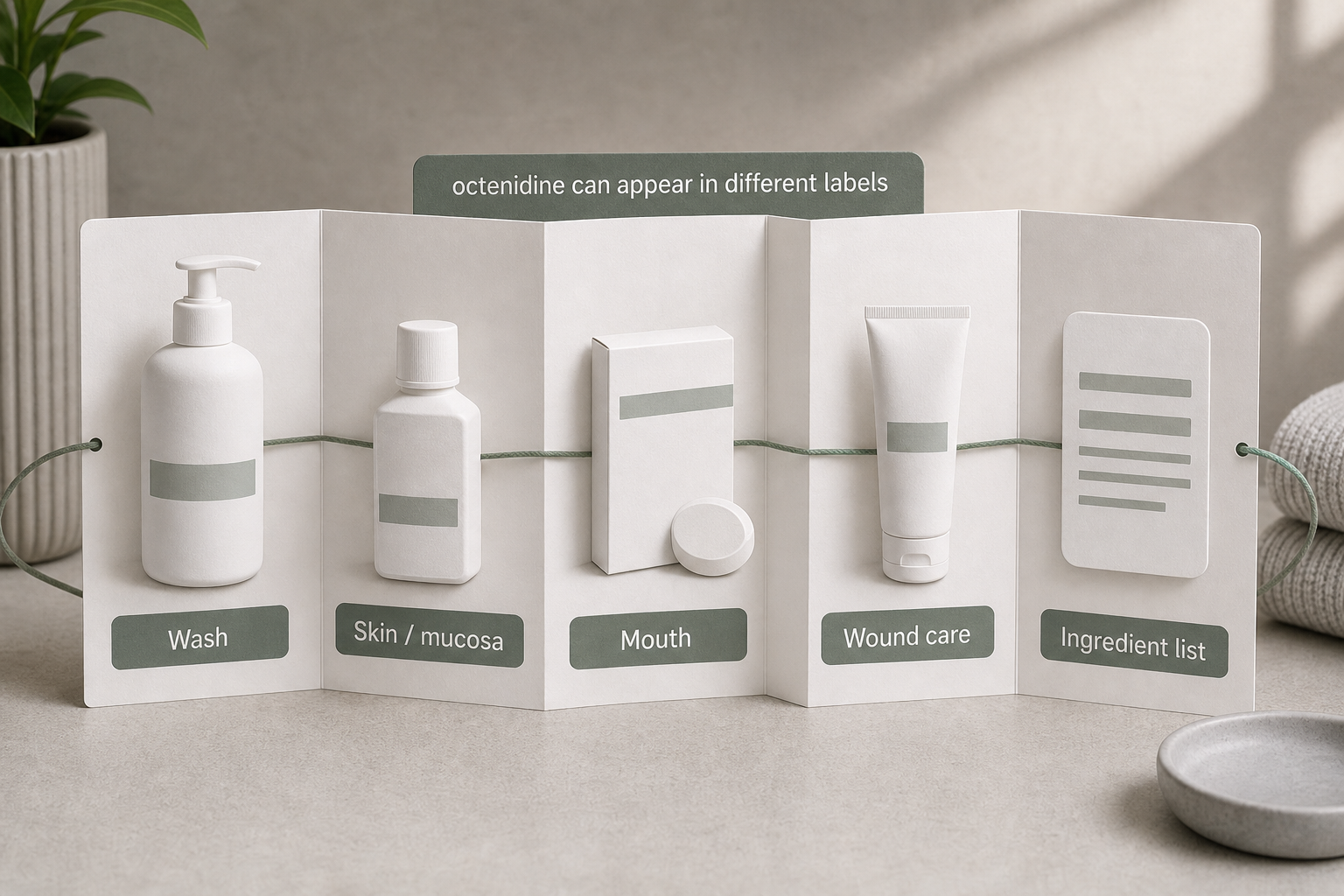
Octenidine is used as an antiseptic ingredient, but that is only the start of the answer. The practical use depends on the exact finished product, its co-ingredients, the country, and the product document.
You may see octenidine in substance records, skin antiseptic examples, wound-product examples, wash products, mouth-care products, nasal-product examples, and clinical-study discussions. Those are different contexts, not one universal instruction.
The Short Answer
Octenidine appears in antiseptic contexts, especially around topical and product-specific documents. Reviewed examples include a topical solution record that lists octenidine hydrochloride with phenoxyethanol, alcohol-containing skin antiseptic product pages, wound-product pages, wash-lotion pages, nasal-gel pages, mouth-care materials, and clinical literature about healthcare-associated infection settings.
That does not mean every octenidine product does the same job. A wash lotion, a wound-irrigation solution, a mouth product, a nasal gel, an alcohol skin antiseptic, and a topical solution can have different ingredients and different warnings.
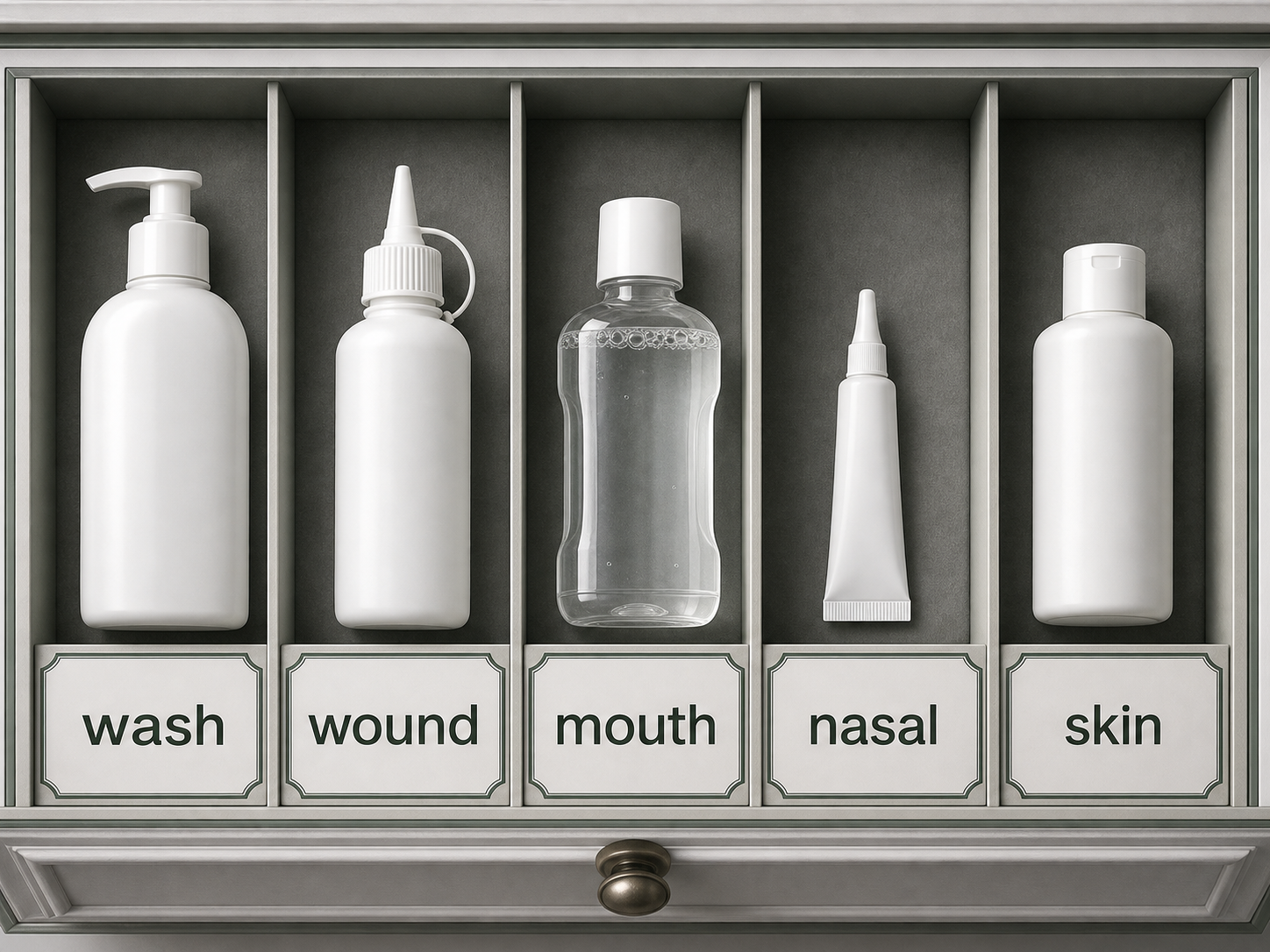
Common Contexts You May See
Octenidine Document Contexts
| What this document can show | What it does not show by itself | |
|---|---|---|
| Substance record | Names such as octenidine hydrochloride, octenidine dihydrochloride, identifiers, formula, and synonym mapping. | Finished-product directions, approval, suitability, or effectiveness. |
| Topical solution record | A specific product record can list active ingredients, strength, sponsor, and country context. | Every product sold under a similar name or in another country. |
| Skin antiseptic product page | Product-form context, such as alcohol-containing skin antiseptic examples. | A general rule for mouth, wound, nasal, or wash products. |
| Wound-product page | A wound-product context and the ingredient role described for that product. | General wound-care instructions or evidence for another formulation. |
| Wash, nasal, or mouth product page | Product-family examples and practical document categories. | Substitution advice or use outside that document. |
| Clinical review | Evidence context in the settings reviewed. | A consumer instruction or a claim that every octenidine product works the same way. |
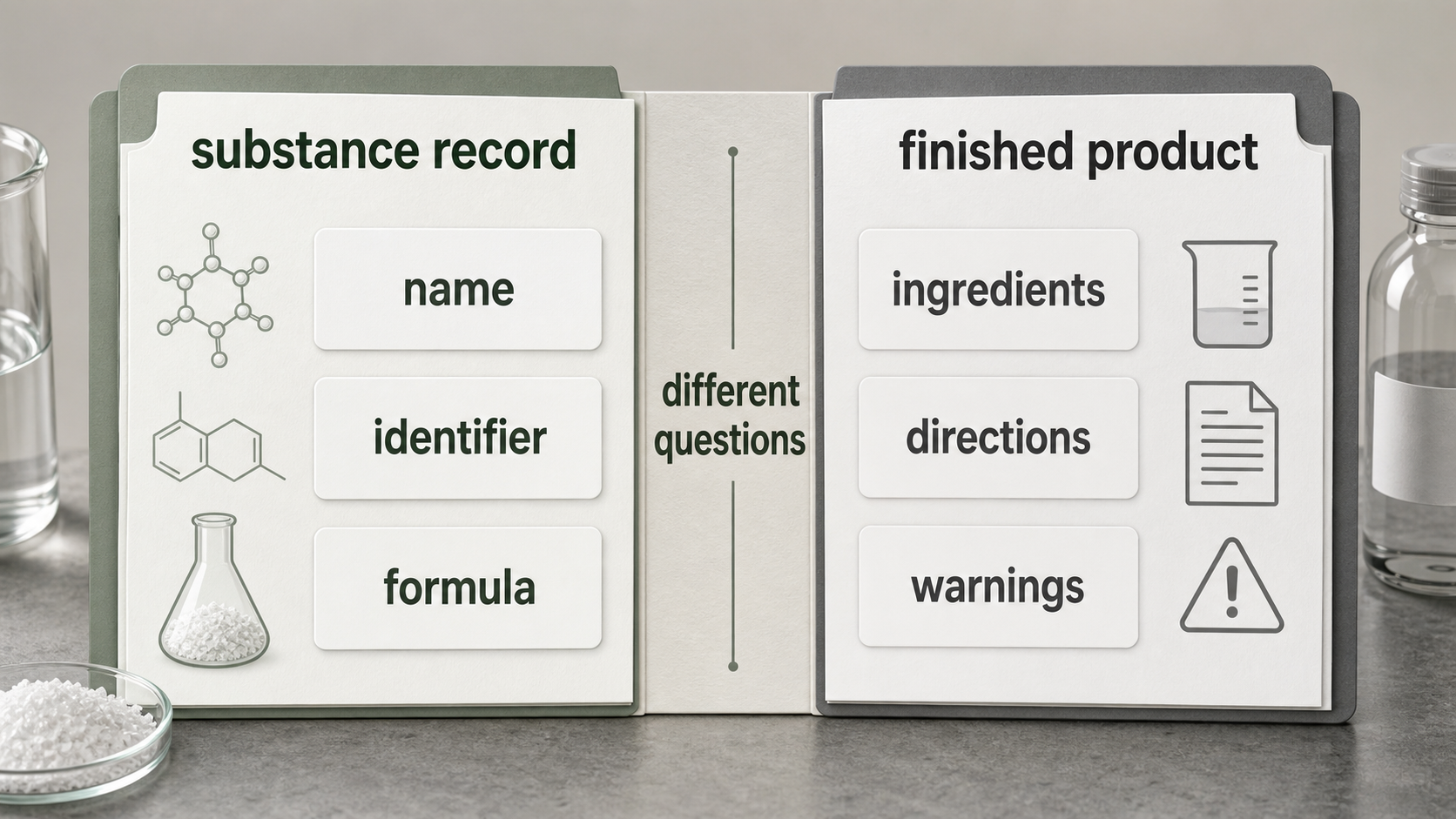
Substance Record Versus Finished Product
PubChem and FDA ingredient records are useful when the question is chemical identity. They can support statements about names, identifiers, formulae, and synonym relationships.
A finished product is different. It has its own ingredient line, concentration, co-ingredients, product form, directions, warnings, country, manufacturer or sponsor details, and document date. Those details are what make an octenidine-containing topical solution different from a wash lotion, mouth product, nasal gel, wound product, or alcohol skin antiseptic.
How To Read A Product Context
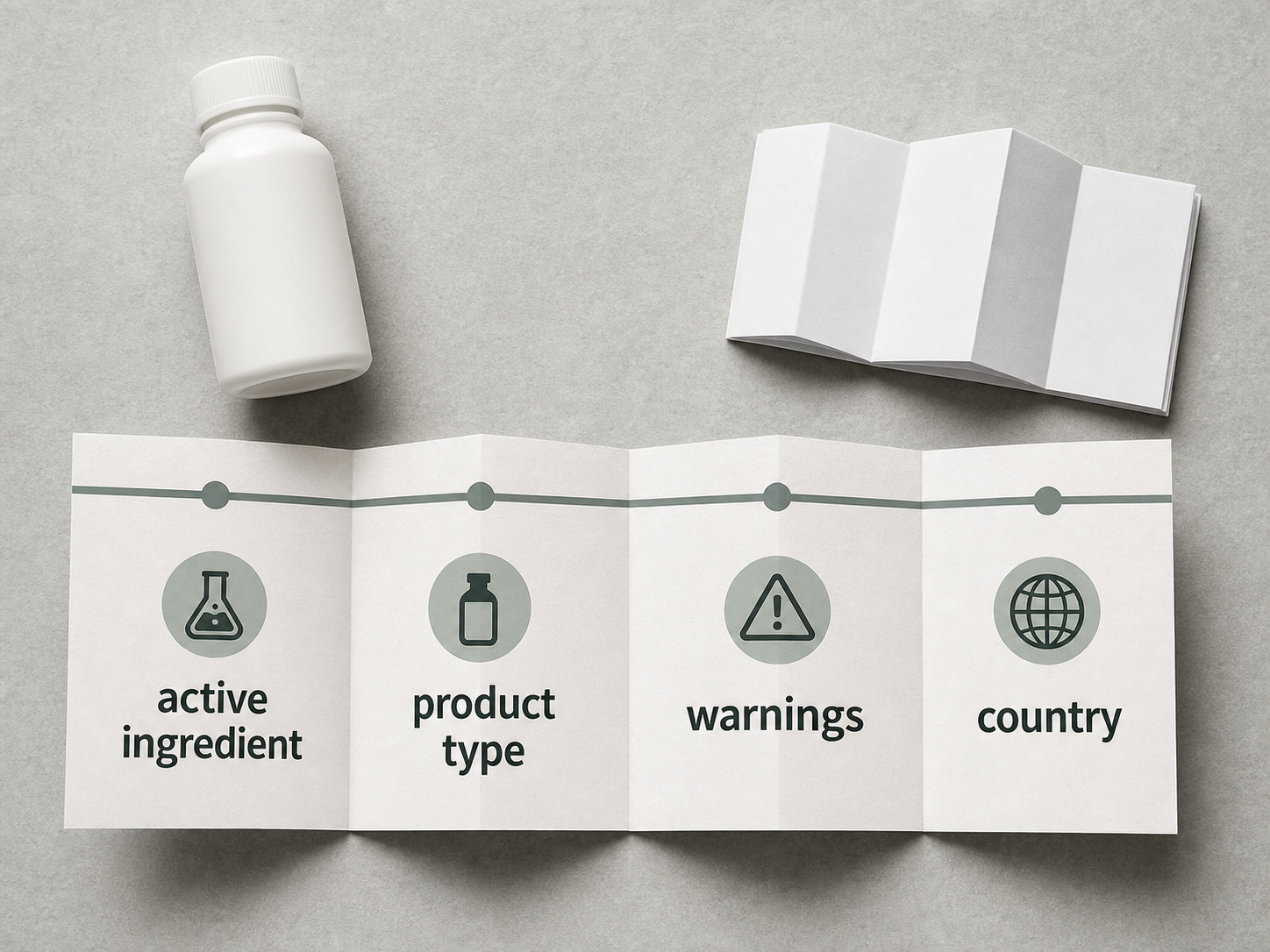
If you are trying to understand a real product, keep the product document in front of you and read it in this order.
- Product name: confirm the exact name, not only the name family.
- Active ingredient: look for octenidine hydrochloride, octenidine dihydrochloride, Octenidine HCl, or another active ingredient.
- Co-ingredients: phenoxyethanol, alcohol, surfactants, gels, flavoring, fragrance, or other ingredients can change the product context.
- Product type: separate skin, wound, mouth, nasal, wash, topical solution, and alcohol skin antiseptic documents.
- Country and date: a product document from one country or year may not match another product.
- Warnings and contact details: use the product’s own warnings and the contact information in that document.
What Studies Can Add
Clinical literature can help answer evidence questions, but the wording has to stay narrow. A clinical review may discuss healthcare-associated infection settings, study design, comparators, and evidence gaps. That is different from a consumer label or a product page.
When you see a study claim, ask what product or preparation was studied, what it was compared with, what population or setting was involved, and what outcome was measured. If those pieces do not match your question, the study may still be useful background, but it is not a direct answer.
Common Questions
Common questions
Is octenidine an antibiotic?
No. Octenidine is discussed here as an antiseptic ingredient, not as an antibiotic treatment.
Is Octenisept the same as octenidine?
No. Octenisept is a product name. Some records list octenidine hydrochloride with phenoxyethanol, but the exact product document still matters.
Can octenidine appear in mouth products?
Yes, octenidine-related product pages and materials can appear in mouth-care contexts. The product document still controls the practical details.
Can a substance record tell me how to use a product?
No. A substance record can help with names and identifiers. Product use questions need the finished product label, leaflet, or local product document.
Does a U.S. substance record mean a U.S. product is approved?
No. Substance identity records and product approval are separate questions.